

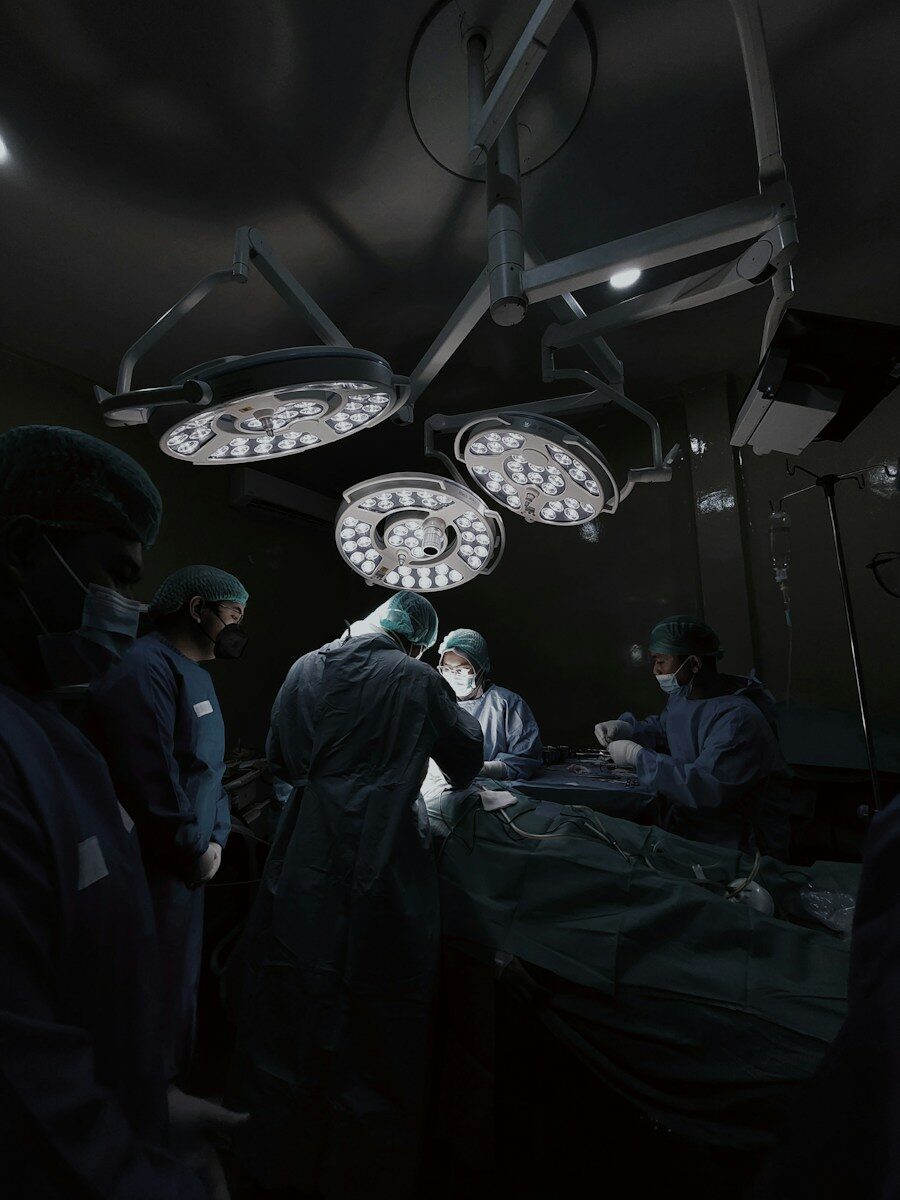
| James (0:10) | Welcome to another podcast from the HealthTech Research Centre in Brain and Spine Injury. My name is James Piercy and you'll know by now because you've listened to loads of episodes right that I talk to really interesting people who are concerned with the brain and all matters neuro and today I'm joined by Miss Rosa Sun who is a neurovascular fellow. That sounds very posh Rosa, what does that mean? | ||
| Rosa (0:31) | Thank you James, great to be introduced. So I have just finished my training so a fellowship is basically what a neurosurgeon does before they have a consultant job so it's a period of sub-specialisation so that's what I'm doing at the moment and my sub-speciality interest is neurovascular surgery. | ||
| James (0:51) | Great okay so neurovascular that's blood vessels coming in and out of the brain? | ||
| Rosa (0:57) | Yes absolutely, yeah spot on. | ||
| James (1:00) | Wow okay so I'm interested in how you as a young woman, a neurosurgeon, is that unusual? Are there lots of young women because mostly we think about old men when we think about neurosurgeons. | ||
| Rosa (1:15) | Well so I think the statistics say that when you apply for neurosurgery training about a third of us are girls at the moment and obviously that's changed in the last 10 to 20 years. When you look at the cohort of female neurosurgery consultants in the UK we're probably on about 10 percent so there is a discrepancy but I think we're catching up. | ||
| James (1:37) | That'll work through presumably as you become more senior and you start to get consultant posts? | ||
| Rosa (1:42) | Yes I think so and I think you know in the next 10-20 years I think the workforce is going to be probably up to a quarter of female neurosurgeons. It's not rare anymore no. | ||
| James (1:52) | That's great, it's nice to see that sort of diversity kind of coming through in the profession. So you say just kind of finished your training let's sort of go back, how old was Rosa when she thought I want to be a neurosurgeon? | ||
| Rosa (2:06) | So nowadays they really want people to pre-commit because obviously you need to be quite competitive for your CV. For me and myself so I decided when I was a fifth year medical student and I did a six-year course so before I graduated essentially and you know it takes two or three years to get your CV up to scratch before you can actually apply to be a neurosurgeon. In the beginning I thought about other things.
I loved the brain, I was very interested in the brain and I thought about being a psychiatrist, I thought about being a neurologist and then in the end I went with neurosurgery. I guess it's more hands-on, I love using my hands, I love quick decision making. I absolutely hated ward rounds and that was a big big factor in my decision making. So yeah I was 23 years old when I decided to choose neurosurgery. |
||
| James (2:54) | And in the training plan you talked about this all six years medical training, are you like a general surgeon first and then you specialise in neurosurgery or is it actually you make that decision kind of early okay I'm going to do surgery and I'm going to do brain? | ||
| Rosa (3:09) | I think people are very different, some people don't make up their minds until they've already been a practising doctor for you know two or three years so with the UK training how it works is you do either a five or a six year medical degree and during that time you learn everything medicine, surgery, everything else and then you go on to become an F1 or F2 and during F1, F2 again you get these a few months where you rotate through the different specialities.
So I did a bit of medicine, I did a bit of psychiatry, I did a bit of surgery. So it's really a mixed bag but people have an inkling whether they want to be a medic or a surgeon when you know I guess when they're going through medical school and certainly by F1, F2 like you know where you're going to apply to. |
||
| James (3:52) | Wow and I'm fascinated as I'm sure listeners are about the first time you see somebody's brain. So presumably during medical training there are brains that are no longer in bodies, they've been donated for teaching and learning but you've got an alive person on the operating table. Describe that experience to me, was it just kind of ordinary and matter of fact because you've been through the training or was it still? | ||
| Rosa (4:20) | No, I'm trying to think back to you know a 24, 23 year old me when I first saw a live brain and of course it was extremely exciting at the time. When I first started doing dissections which was the second year of undergrad I was well 19 years old I guess which was when we learned neuroanatomy and absolutely loved it. You know for me it's the most fascinating organ compared to all of the rest and then halfway through undergrad I started doing some rat brain dissections that was I guess less interesting but I always wanted to stick with the brain as it were and then the first time I saw a real live brain was yeah so fifth year medical school when I did my neurosurgery attachment properly.
It's amazing it looks like nothing else you know it's pulsating like all the blood vessels all the brain surface you just get the impression that it's something very very delicate and mysterious that you don't really know how it works and that was one of the reasons you know initially for me wanting to go into it. |
||
| James (5:21) | Yeah and how well do we understand brains now? Is it still you know it's like the dark side of the moon there's loads of stuff that we can kind of assume and guess but we don't really know or actually is our understanding of brains pretty good now and you know we've been looking at it for quite a while I guess. | ||
| Rosa (5:38) | I think the problem with the brain is that there is no sort of unified understanding of it because when people think brain there's so many different specialities that address the brain you know I mentioned neurology, psychiatry, neurosurgery so what we do is very crude we are technicians you know we cut bits out and we know what happens to people when we cut bits out for instance. The neurologists they deal with you know medical diseases of the brain and then the psychiatrists obviously looking at people from a day-to-day functional level you know in terms of their mental health and how psychiatric diseases affect us. What really drew me to brain and I guess neurosciences in general was this idea of you know consciousness and how that physical side of brain disorders translates into how consciousness is impaired but we don't have the answer to that.
So even though we've got some very specialist knowledge from each of the individual fields about medicine, surgery, psychiatry, we don't really know how it's all put together you know and what translates the actual physical side of the brain into what we experience as individual human beings. |
||
| James (6:46) | Yeah really it's fascinating isn't it and there's this kind of localised sort of model that this bit of brain does movement of your arm and this bit of brain does memory and so how sort of really and reliable is that because is it better to think of the brain as a really kind of complicated system or do those kind of individual localised things are they useful in your kind of practise? | ||
| Rosa (7:06) | It's very useful for us, so we know that there are some things that are definite rules so we know for instance you know the majority of speech or movement is located in specific areas of the brain and these are what we call eloquent areas of the brain and we don't touch them or we very rarely touch them even as neurosurgeons. We know what areas of the brain we can get away with, the parts of the lobe which are pretty much non-functional I guess but it's really difficult to answer your question because you know because we've got so many different specialities everyone looks at it in a very different way as it were right? So the neurologists are very good at looking on the molecular level I guess, the brain disorders, psychiatry is about function of how the entire brain functions and for us you know we treat things which are parts of the brain which we need to cut out for instance for the oncology surgeons if you've got a tumour or what I'm specialising in neurovascular so it's about you know acute brain haemorrhages and how to stop people from haemorrhages. | ||
| James (8:10) | You mentioned the kind of haemorrhage thing there and we know that there are all sorts of causes for haemorrhages to happen they might be the result of a trauma or a stroke or some kind of malformation in the blood vessels. What kind of surgery are you doing in those cases? Is it about removing blood and blood clots from the brain?
Is it repairing blood vessels? All of those things? |
||
| Rosa (8:32) | It's a combination of everything so broadly speaking so neurovascular is to do with things which are vascular abnormalities of the brain right so we're talking about aneurysms which is probably one that people have heard of most often there's also vascular malformations which is something that you are essentially born with it's a congenital thing which causes a predisposition to bleeding in the brain there are also other abnormal collections like fistulas for instance and there is a little bit of overlap between our field and stroke, blood clots we do a taking our blood clots but you know that's that's pretty much the same for all neurosurgeons so all neurosurgeons will be taking our blood clots you see | ||
| James (9:16) | yeah okay so you're in the theatre you've had a bit of experience you've seen some brains you've got a knife in your hand yeah the first time Rosa what's the first time operating on a live brain like terrifying wonderful exciting | ||
| Rosa (9:36) | oh it's wonderful it was wonderful but we it's interesting because a brain is something that you don't use a scalpel on so the only areas that we use a scalpel on is the scalp to get through the scalp and then afterwards because we need to get through the skull then you learn how to drill through a skull and now to give you the access and craniotomy is what we call it raising a bone flap and then actually inside the brain itself we don't use a scalpel because it's far too sharp for our liking so we use things like suction and we do a lot of dissection so very blunt instruments we go inside very carefully so someone once told me that doing brain surgery is basically like being a thief right so you try to go in with minimal damage you sneak in and you sneak out and hopefully no one will realise by the end of it and that's the aim | ||
| James (10:28) | yeah and I guess particularly in sort of tumour surgeries you want to remove the tumour but you don't want to damage any of the surrounding brain tissues and you've got to know where those margins are and get the right thing | ||
| Rosa (10:39) | and leave as much as you can yeah yeah absolutely exactly and it's it's interesting how brain surgery is very much divided into people who do surgery inside the brain so tumour surgeons for instance where the tumour is coming from the brain itself so you do have to cut a bit of brain and you know people like myself who are more interested in you know cerebrovascular disease and all of these vessels are actually outside of the brain so the whole field we've developed a interesting way to sort of use the natural corridors in the brain itself to get to these aneurysms or vascular malformations and the intention is to not really damage the brain at all | ||
| James (11:15) | Fascinating so aneurysms you can clip them can't you yes or you can put coils in the blood vessels oh yes do you know which approach you're going to do when you go in is can you do you scanning patients beforehand so you pretty much know what you're in for before you've started or is it a case of opening the skull and have a look | ||
| Rosa (11:34) | wow um it's interesting so so endovascular which is going inside the blood vessels itself is very much done by radiologists on the whole in this country and similarly in many European countries that's the setup that we have whereas for surgeons when we clip aneurysms it means we are opening up the skull we're trying to find the aneurysm and we're putting a clip on the aneurysm itself so it's it's a lot more invasive but there are certain reasons why we do it especially in a young patient where we want to guarantee you know 100 sort of success rate of actually clipping the aneurysm and stopping it from recurring for instance we it's a very MDT process and by MDT I mean we have to you know work very closely with our radiology colleagues to discuss how aneurysms are treated so we we get the picture we have a talk about it and then we discuss with the patient with some aneurysms we can offer both treatment options and then it will be up to the patient to decide there are some aneurysms which are favoured through endovascular treatment and there are some aneurysms where we think we should probably go and clip this so it's it's a mixed bag really yeah | ||
| James (12:51) | yeah and i guess you sort of mentioned the MDT right so you're going to have a kind of team group discussion with the patient as well and deciding you know what's the best treatment option in this case absolutely yeah it's fascinating so i'm guessing your training is a bit like a pilot you know they have to do so many hours before they're allowed to hold on to the joystick by themselves yeah so how how many surgeries do you need to do before they're like okay Rosa off you go you can lead the next one by yourself is it i'm guessing it's quite a long protracted process | ||
| Rosa (13:25) | it is and funnily because we were talking about how you operate you know inside and outside the brain when you are junior you are learning very much to operate outside of the brain and then as you get a little bit more senior towards your fourth or your fifth year of training like for me at least then you start doing tumours you're going inside the brain and then as you get more and more senior yet again then you are looking at the skull base you're looking at vascular diseases so there is no set rule in this country when we finish training there is a requirement for us to have completed a certain number of cases so for the UK is 1200 so that's very different by different countries I would say by the time that you are a middling registrar you are doing quite a lot of the simple cases and the emergency work out of hours independently by yourself but of course your consultants would want to see that you are independent in doing it before you start doing them so everyone is very very different but that's when you really truly start independently operating but as you get more senior there are quite a lot of the difficult cases that you will still have to learn so for instance for me i will do the emergency work by myself in the middle of the night for some spines for some head emergency trauma for instance whereas i'm still being supervised by my consultant to do the neurovascular side of things because it's a specialist field | ||
| James (14:49) | yeah and i guess there's always a chance there'll be something unexpected and somebody with more experience is more likely to have seen those things before and can kind of guide you | ||
| Rosa (14:57) | absolutely yeah i i think it's a process of um you know continuous learning it's not um it's not like all of a sudden you know after eight years or 10 years in neurosurgery you are completely independent and everything there will be some of your senior colleagues who've seen more of these cases than you have and there is a difference between a junior consultant and a senior consultant it really depends on what the pathology is really | ||
| James (15:22) | yeah you say you're doing a lot of these kind of emergency things and sort of things so how many times a week would someone in your position operate are you working every day | ||
| Rosa (15:31) | um so so again this this is um so to give you an example so the last two weeks have been fairly chilled out for me so i've had one operating list a week and then i do one day of clinic and then i do an on-call day so that's very typical and then i will have an admin day and then another day i will try and do something else that whether it's operating or clinic um but i've just finished a stretch of 72 hours on call where we have two registrars running the emergency theatre so in the day it's completely busy i go home late at night but i do get a full rest and then i come back in and i operate again so over the last three days or so i must have done six or seven operations but that's that's not the norm let's put it that way yeah | ||
| James (16:15) | and are they going to be quite long is it hours of surgery for those kind of operations in some cases is it actually it's fairly quick because you know what you're going to do you're going to go in maybe you can remove a clot or something and then patients come back in an hour or so oh again | ||
| Rosa (16:30) | it's hugely variable it's um it's very rare for emergency operations to be very very long so for instance on Saturday we did a shunt which is putting a tube inside the brain and then putting in the abdomen that's about a one hour operation there was a brain abscess that we put a needle and aspirated so that's about a one hour operation i operated on a neck that's about two hours i operated on a back it's about an hour or two hours but then yesterday we had an elective case which means people are you know prepared and they bring in on a specific date so that operation was all day long and this was a avm which is arterial venous malformation so we started in the morning and then we finished around five o'clock in the evening so it's it's really a mixed bag but emergency uh normally uh short and fast yeah | ||
| James (17:13) | yeah wow so you're working really hard you and your team i can see | ||
| Rosa (17:21) | we we all do we all do yeah absolutely um you know people probably think of neurosurgeons as being you know very brainy and there's a lot of um book work or um you know thinking but um actually what i you know when i explain it to the medical students when they're interested in applying um this job is more physical you need to be able to have a lot of stamina and with you know withstand long periods of um intense focus i guess but also standing up and walking around you know i really get my step count every single day and there will be also periods of sleep deprivation as well and hunger so it's the job is more physical than mental I would say yeah | ||
| James (17:58) | yeah yeah that's interesting so we are a health tech research centre is tech coming in to neurosurgery are there new sort of devices new imaging new diagnostics that are changing practise obviously you know you're still quite early on in your career but you've been training for a long time right have you seen change just over that period | ||
| Rosa (18:21) | oh absolutely yeah um there's changes to the instruments that we use you know upgraded versions of the you know endoscopes like the surgical equipments that we use but very recently you know for us like robotics is a big thing especially in spinal surgery so that's come on the last few years so i think in queen square here they've had a robot for the last three years i know in the states probably a little bit longer than that certainly when i was in Birmingham i just caught when they just purchased a robot so that's all very interesting here in Queen square they're doing some uh ai related stuff and how ai can help surgeons during the operation i'm not involved in that but that's up and coming as well um so yeah things are beginning to get very very interesting when you compare 10 years ago to now like it's it's it's absolutely a changed field yes | ||
| James (19:08) | what would the Ai be doing is that kind of just essentially comparing previous cases to what the surgeons are looking at in front of them now | ||
| Rosa (19:16) | yeah so i think i believe it's very um multifaceted so the so the AI can help you recognise what is what so it can look at the images can help you interpret what is going on i know that there's some interesting work that the they can use AI and voice recognition to overlay certain structures so when you're looking at the operative field and obviously you know there's a lot of blood and you don't quite know where this nerve is or where this vessel is they can overlay the images to help you understand like where you are for instance there's um ai there's voice recognition now as well so you can change your camera view depending on what you want to do and then tell it to perform a different function with the instruments yeah it's uh it's everything is being developed at the moment it's it's a vast vast field yeah | ||
| James (20:03) | yeah exciting times i think and i guess all of these things are just trying to improve the outcomes for those patients right we want to have more successful | ||
| Rosa (20:15) | yes yes absolutely it's to improve the accuracy which beats safety it's to shorten the operating time which is also safety at the end of the day you know it's it's much better for patient outcomes we start using these tools. | ||
| James (20:24) | yeah you are i guess still at the kind of early stages of your career do you see yourself staying in this being senior consultant Rosa Sun in 10 20 years time well i mean by | ||
| Rosa (20:38) | by the current standards i'm probably going to retire when i'm 70 isn't it um yes i think so and it's an interesting question of what the field is going to look like because things are being developed at an accelerated pace right so a lot of people quite often ask us um do you think that robots or AI will take over the field and do you still see a role for you know what you're doing now which is you know the long hours of standing up and doing physical operations on people um and i really don't know how to answer that because i i can imagine that uh there will always be a role for neurosurgeons certainly in my generation and yes i can see myself doing it until i retire but i think it's going to look very different to what we're doing now let's put it that way | ||
| James (21:30) | yeah it'll be interesting to see how things develop uh over time
well rosa thanks ever so much you find the time to have a chat in your obviously very very busy life i really appreciate you find the time to talk to us a little bit about it last thing to say i guess is if young people are out there listening to this podcast and they're thinking do you know what i quite fancy doing that any advice for somebody who's maybe they're still at school or A level students or something is it just stand a medicine degree and follow the pathway and choose later or are the things that they can start doing really early on |
||
| Rosa (22:03) | be interested you know go find a unit go find a consultant go find a fellow registrar like myself you know say i want to come and check out like what it's like i want to see a brain i want to see a spine i want to see what you do you know i want to live in you know in the 24 hour life of a neurosurgeon and see whether or not i can hack it you know as i say it's it's physically quite exhausting but it's very rewarding also and if that's the right choice for them then yeah absolutely go for it | ||
| James (22:25) | great well we heard it here folks go for it is what we're saying excellent thanks ever so much for listening if you've enjoyed the podcast check out any one of the many other episodes that you'll find on your favourite podcast supplier and tune in for more as they come thanks very much |
More like this:
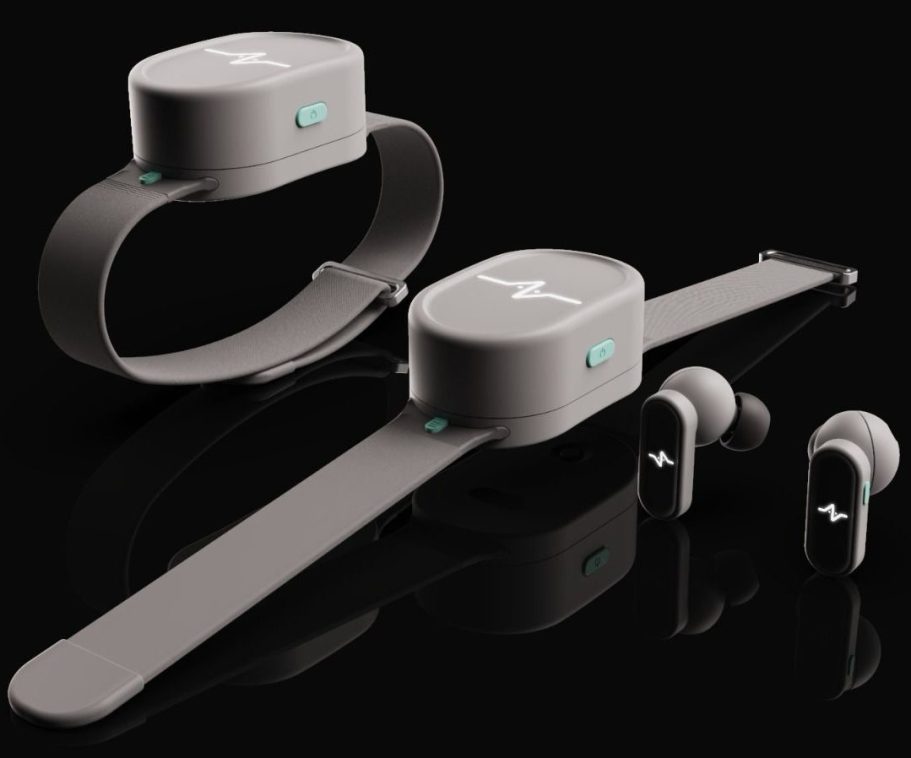
Innovation Podcast – Knitregen
James talks to Laura Salisbury from Knitregen about a new device which hopes to improve hand and [...]
Charity Podcast – Child Brain Injury Trust
Sharon Buckland talks about the work of CBIT supporting children, young people and their families. Child Brain [...]
Research Podcast – FIELD
Willie Stewart talks about brain injury in sport and an increased risk of dementia from heading in [...]